
-

 Request a quoteRequest a quote
 -

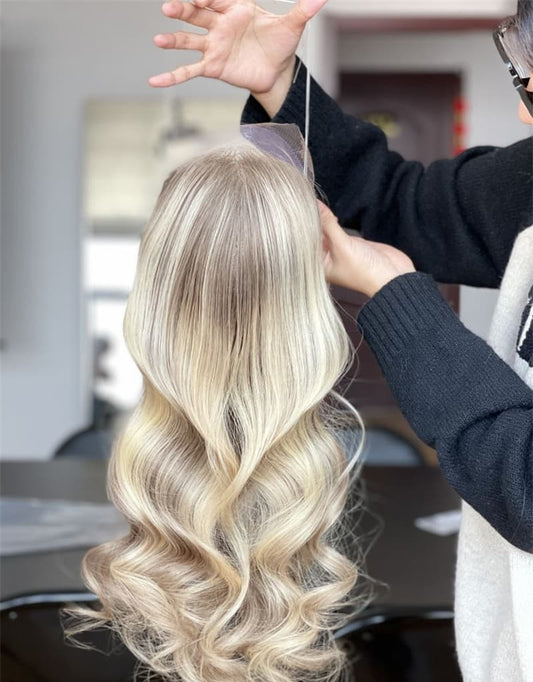
 Request a quote
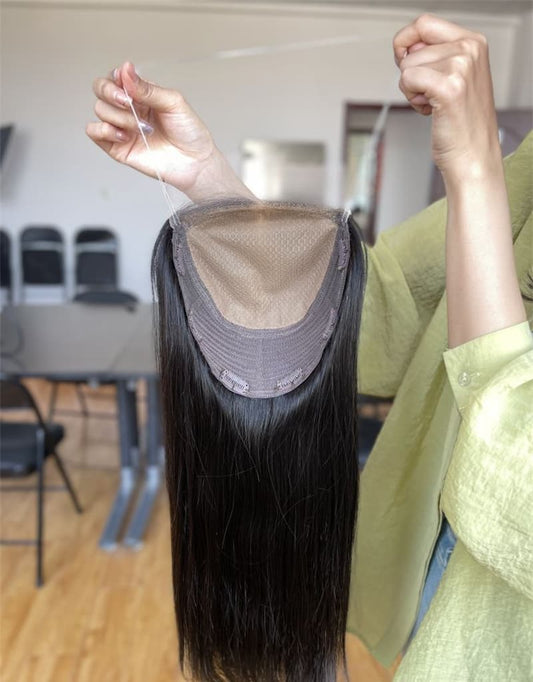
Warm Brown Lace Front and 8x8 Human Hair Topper Mini Wig, 18 Inch with Cap Detail View
Price on requestRequest a quote -

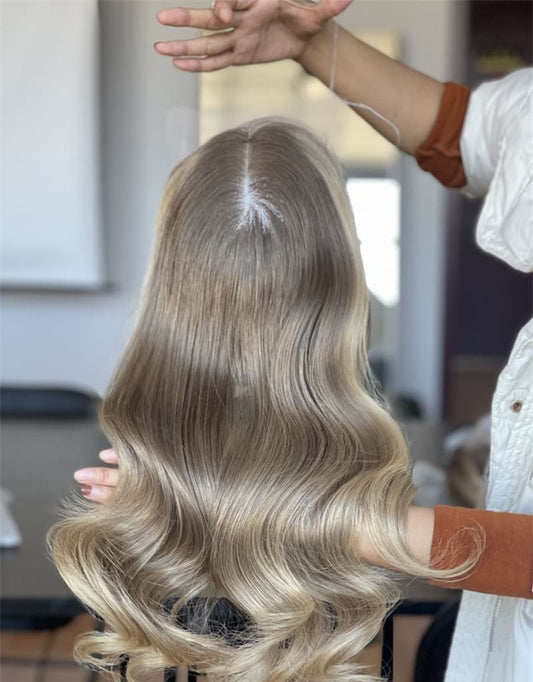
 Request a quote
Ash Blonde Lace Front and 8x8 Human Hair Topper Mini Wig, 14 Inch
Price on requestRequest a quote -

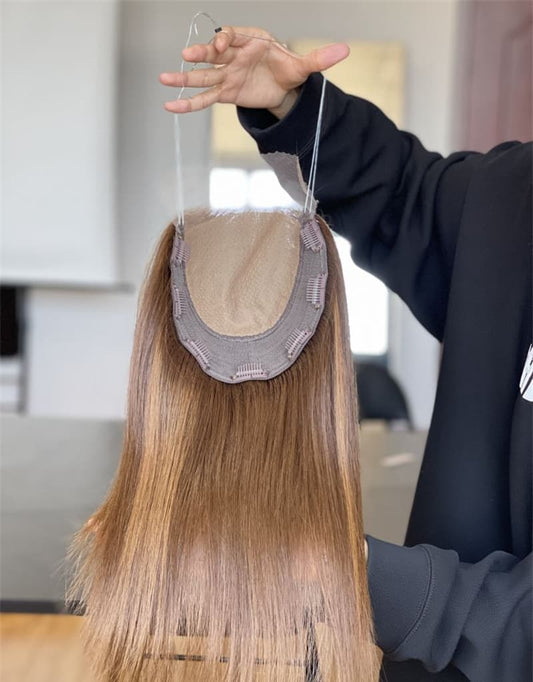
 Request a quoteRequest a quote
 -

 Request a quote
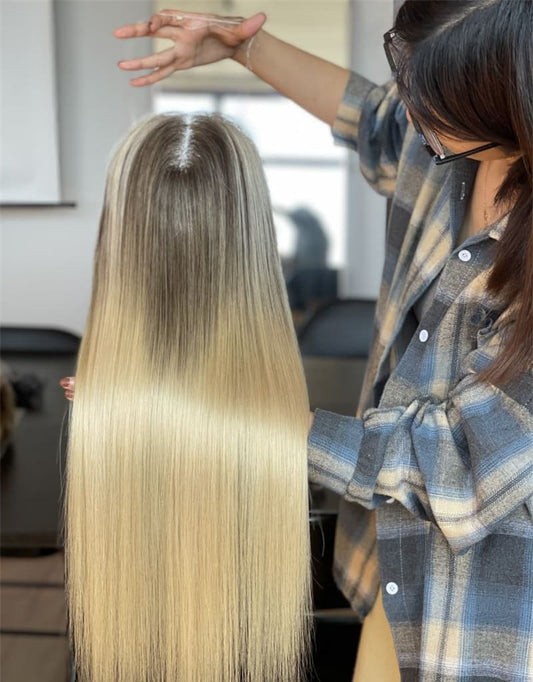
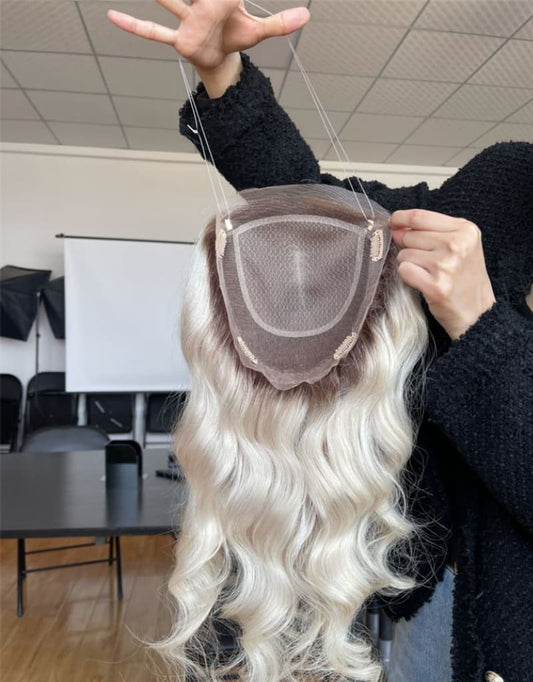
Ash Blonde Lace Front and 8x8 Human Hair Topper Mini Wig, 18 Inch with Rooted Finish
Price on requestRequest a quote -

 Request a quote
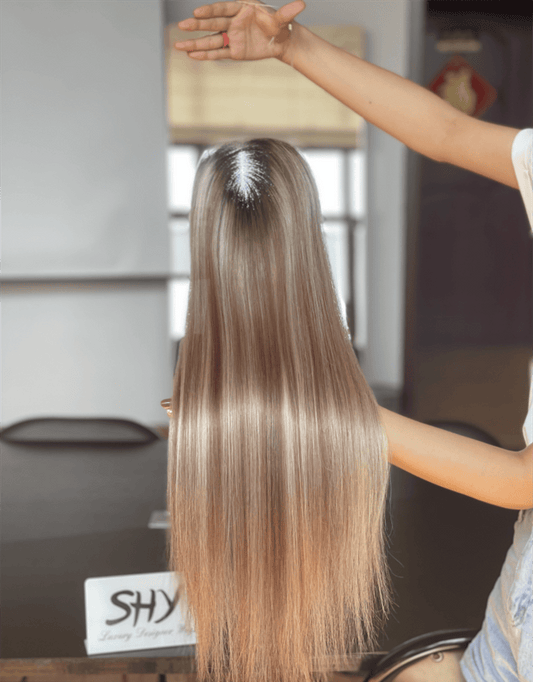
Warm Brown 8x8 Full Lace Human Hair Topper Mini Wig, 18 Inch
Price on requestRequest a quote -

 Request a quoteRequest a quote
 -

 Request a quoteRequest a quote
 -

 Request a quoteRequest a quote
 -

 Request a quote
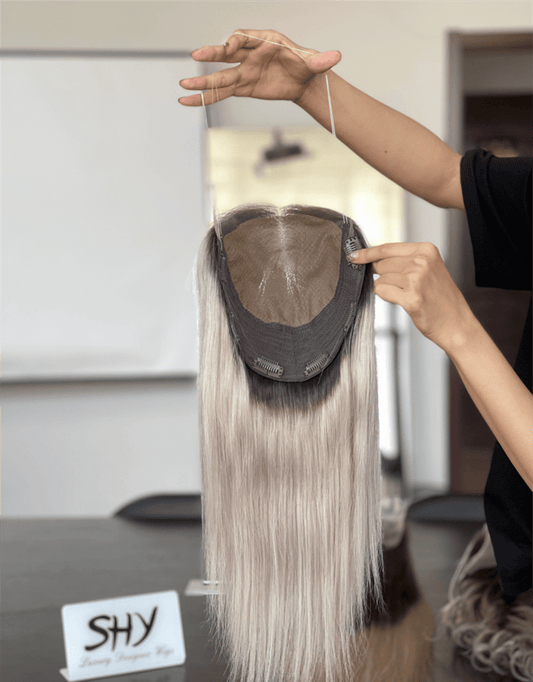
Silver Gray Lace Front and 8x8 Human Hair Topper Mini Wig, 16 Inch with Cap Detail View
Price on requestRequest a quote -

 Request a quote
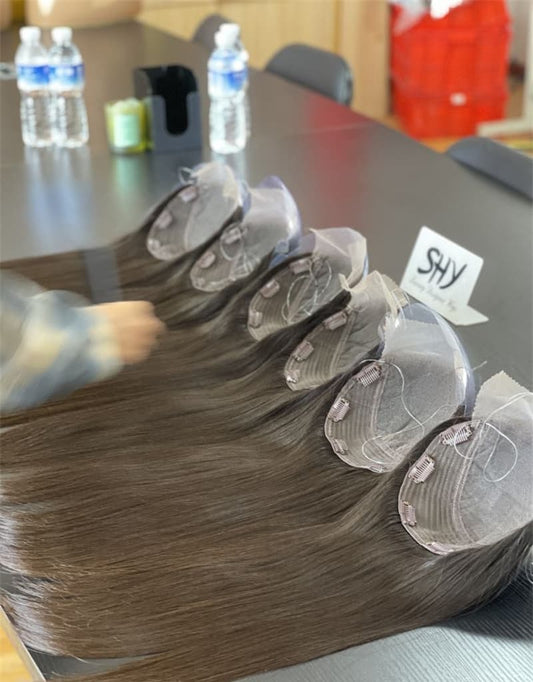
Ash Blonde 8x8 Full Lace Human Hair Topper Mini Wig, 22 Inch
Price on requestRequest a quote -

 Request a quote
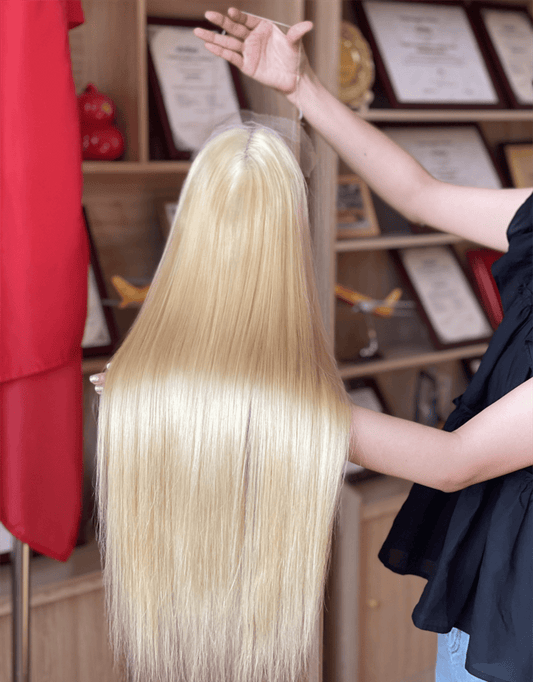
Ash Blonde Lace Front and 8x8 Human Hair Topper Mini Wig, 26 Inch
Price on requestRequest a quote -

 Request a quote
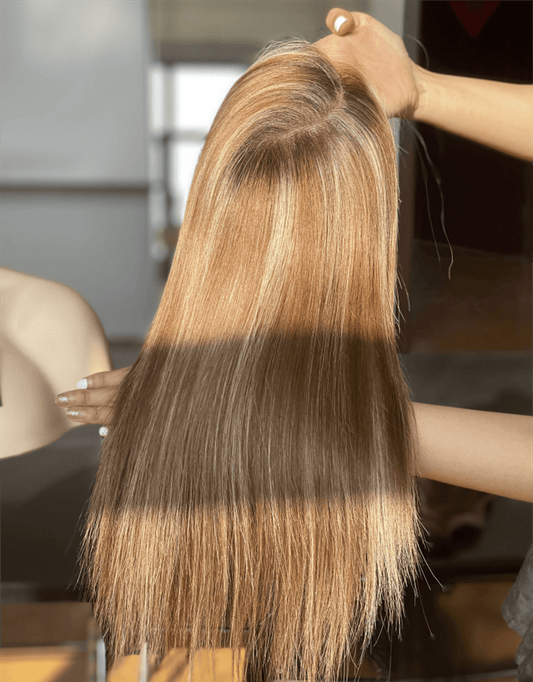
Ash Blonde Lace Front and 8x8 Human Hair Topper Mini Wig, 18 Inch with Lace Front Detail
Price on requestRequest a quote -

 Request a quote
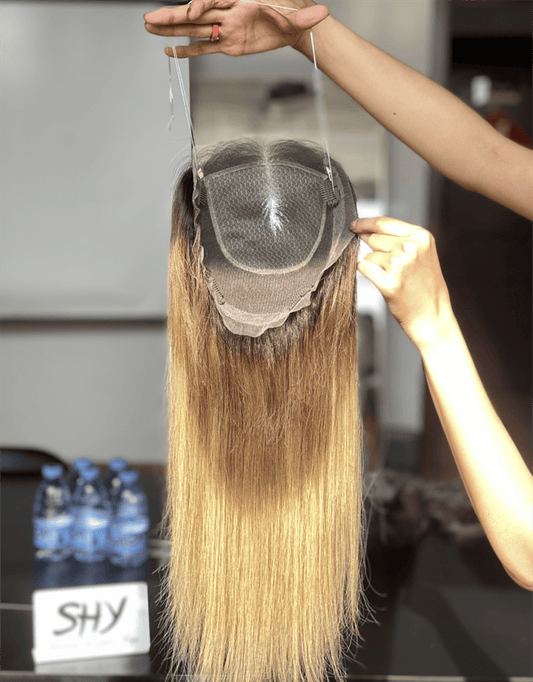
Ash Blonde Lace Front and 8x8 Human Hair Topper Mini Wig, 16 Inch with Silk Base Detail
Price on requestRequest a quote -

 Request a quoteRequest a quote
 -

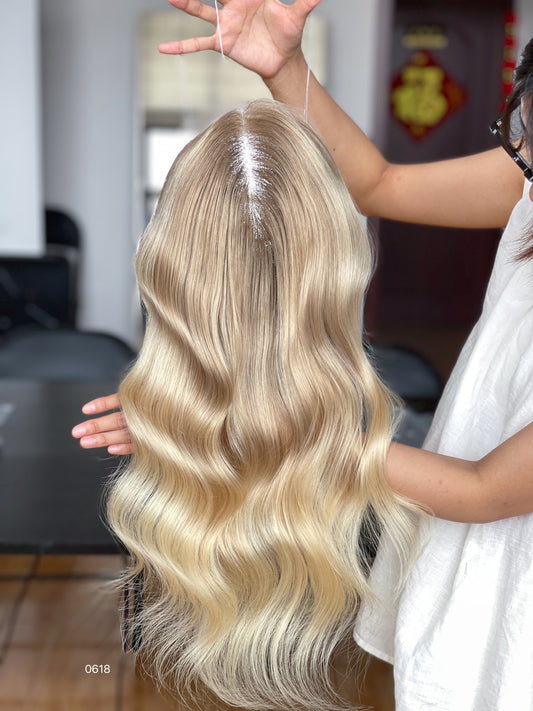
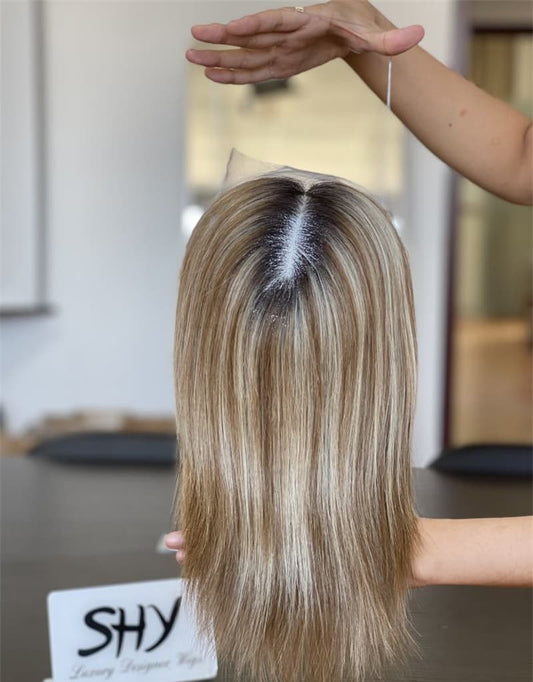
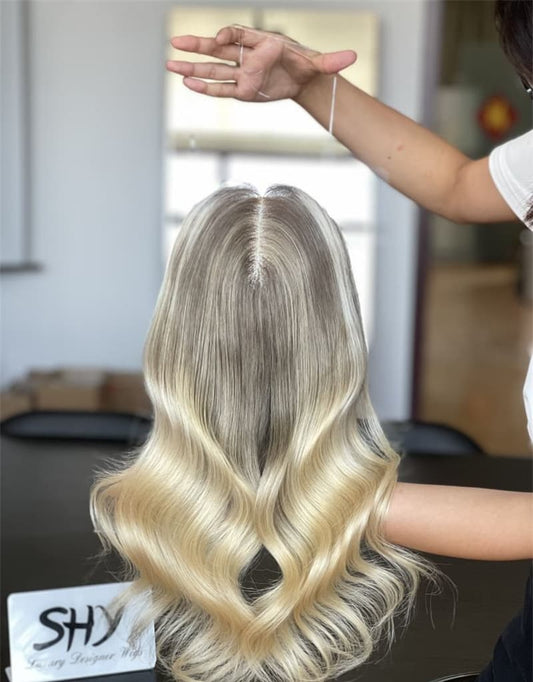
Ash-Beige Rooted Golden Blonde Ombre Body Wave 8x8 Full Hand-Tied Human Hair Topper Mini Wig
Regular price From $570.00 USDRegular price


Human hair category guide
Confirm the right human hair solution before ordering
Quick answer: Human hair toppers are chosen for crown coverage, parting coverage, added volume and natural blending with existing hair. Compare base size, lace or mono area, clip placement, color, density and hair direction before ordering samples.
Category fit
Start with alopecia or full-coverage needs, chemotherapy-related hair-loss coverage, thinning or crown coverage, sensitive scalp comfort, or B2B sample testing.
Cap and base details
Confirm lace front, mono top, silk top, full hand-tied, glueless, PU comfort-base planning, density, size and hairline needs.
Sample and wholesale
Ask for sample orders, stock color matching, QC photos or videos, small-batch trial orders, repeat-order support and private label packaging.
Factory and warehouse support
Shop with factory-direct supply behind the wigs
SHY Hair combines Qingdao factory-direct production with US, France, UK and Belgium warehouse support for qualified ready-to-ship and business orders. Ask before checkout if you need urgent stock, custom color, wholesale pricing or private label support.
Qingdao factory direct
Custom color, lace, cap, density and pre-shipment checking.
Factory details
US and Europe warehouses
United States, France, UK and Belgium support for suitable stock.
Warehouse details
Wholesale and private label
Sample orders, bulk pricing, packaging and brand support.
Business supply